NSW Emergency Backstop Mechanism

The NSW Government’s Emergency Backstop Mechanism is set to commence in mid-2026. It is a last resort safety measure, required by the Australian Energy Market Operator, to protect the electricity grid during rare emergency conditions.

Protecting the grid from Minimum System Load

In response to advice from the Australian Energy Market Operator, the NSW Government will shortly amend Ausgrid’s operating licence conditions to introduce the NSW Emergency Backstop Mechanism.

The NSW Emergency Backstop Mechanism is a last resort response to keep the power system secure under emergency conditions, known as Minimum System Load events. It will only be actioned to keep the lights on if nothing else is working. An emergency backstop is expected to be a rare event.

Download Ausgrid fact sheet: Supporting Rooftop Solar in NSW to find out more about how Ausgrid is partnering with the NSW Government to support rooftop solar in NSW. 

Systems that need to be emergency backstop enabled

Solar installation update

Ausgrid has updated its Permission to Connect for solar installations to manage the transition of these incoming requirements throughout 2026. All approved systems must be installed and commissioned by 31 December 2026. If the installation commissioning is not completed by this date, a new application will need to be submitted, through the NSW Government’s CER Installer Portal, and the NSW Emergency Backstop Mechanism requirements will apply.

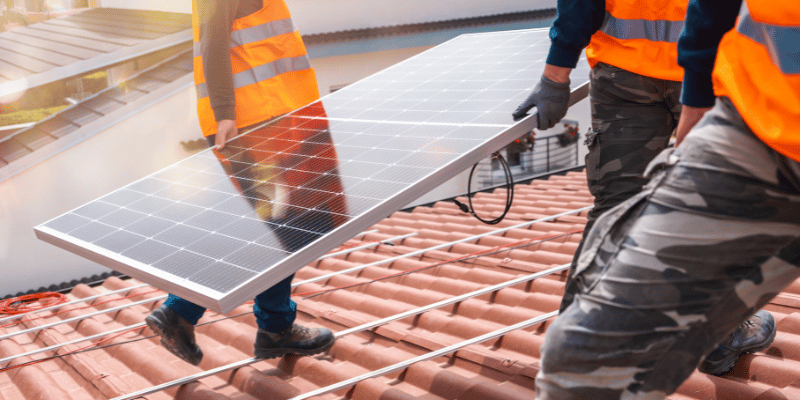
Solar installers are responsible for installing rooftop solar systems in accordance with the approved Connection Contract and the Schedule of Site-Specific Conditions.

The NSW Emergency Backstop Mechanism requirements will be introduced gradually throughout the second half of 2026 in parallel with the NSW Government’s Consumer Energy Resources (CER) Installer Portal.

This incoming initiative will require installers to:

  • Install equipment that is compliant with the Australian Standard ‘Common Smart Inverter Profile – Australia’ (CSIP-AUS). A list of compliant inverters and their applicable software communication client/s can be found on the Clean Energy Council website.
  • Conduct a short capability test at the time of installation, confirming connectivity to Ausgrid’s utility server via the internet. The test is conducted using the NSW CER Installer Portal.

These requirements will not apply to existing rooftop solar systems. Exemptions will also apply to embedded network customers or those seeking a like-for like replacement (e.g. under a manufacturer’s warranty).

Where a premises lacks reliable internet connectivity, the new equipment must still be CSIP-AUS compliant. However, a low static export limit (to be specified within the connection agreement) must be configured by the installer at the time of installation, which will apply until connectivity is available. 

To find out the latest information about these initiatives, including timing and key dates, visit the NSW Government’s Emergency Backstop Mechanism and CER Installer Portal webpages.

Preparing industry for these changes

Ausgrid recognises these initiatives represent significant changes to the way CER is installed in NSW. We are committed to working closely with the NSW Government and other NSW distribution networks to provide industry with appropriate information and training opportunities before these requirements are introduced in mid-2026.

The NSW Government and Clean Energy Council, in collaboration with NSW distribution networks, have prepared a short online training course outlining the challenges facing our grid and about these incoming obligations. Industry professionals can earn 20 Continuing Professional Development (CPD) points for completing the course. You can access this training for free through the Clean Energy Council website.

Further information, training and resources will be made available in early 2026.